 FitMyEV
Tesla Wall Connector (Gen 3) Review — A beautiful, feature-rich ecosystem upgrade that tests the patience of the electricians forced to install it
TL;DR
For Tesla owners, the Gen 3 Wall Connector offers unbeatable app integration, VIN-specific security, and a sleek design at a highly competitive price. However, the notoriously finicky Wi-Fi commissioning process and the reduction in maximum cable length to 18 feet mean it require
Verdict: Depends on Use Case
What people are saying
Sources disclosed below
Reddit Discussion
Across 100 threads in r/TeslaModelY, r/teslamotors, r/electricvehicles, r/evcharging
Sentiment summary, not a rating
Pros
- +Sleek, attractive tempered glass design
- +Thinner, lighter, and easier-to-manage cable compared to previous generations
- +Excellent smart features including charger-level scheduling and VIN-specific locking
- +Highly competitive pricing compared to third-party smart chargers
- +Spacious internal design makes the physical wiring easier for electricians
Cons
- −Wi-Fi commissioning process is notoriously difficult and frustrating to set up
- −Maximum cable length reduced to 18 feet, which may not reach across larger garages
- −Maximum power output reduced to 48 amps (down from 80 amps in Gen 2)
- −Glass faceplate is potentially more fragile than plastic alternatives
- −Less ideal for households that do not own a Tesla
Alex Rivera
Published May 2, 2026
$420–$475
Price may vary. Updated regularly.
Tesla's Gen 3 Wall Connector boasts killer smart features, but its frustrating Wi-Fi setup has electricians tearing their hair out. It’s a classic case of a product that looks like a million bucks on your garage wall but might make you want to throw your smartphone through a window during the first thirty minutes of ownership.
What you're actually getting
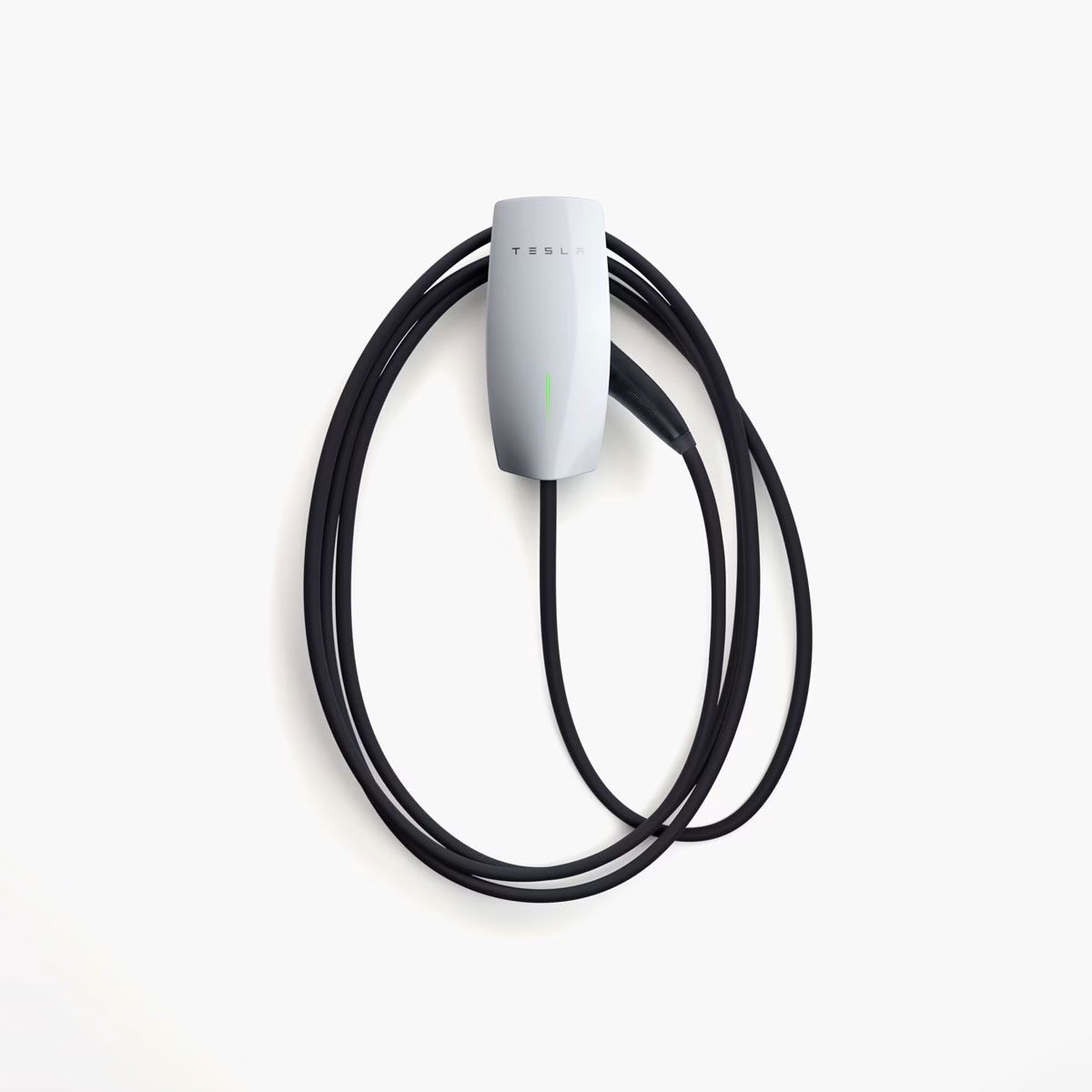
If you’re a Tesla owner, the Gen 3 Wall Connector is arguably the best-looking charger on the market. It’s a minimalist, tempered-glass slab that makes most other EV chargers look like clunky, industrial plastic boxes from the 1990s. Beyond the aesthetics, you’re buying into a tight ecosystem. The ability to lock the charger to a specific VIN means you don't have to worry about neighbors or strangers plugging into your power, and the charger-level scheduling is genuinely useful for managing off-peak electricity rates.
However, the experience of getting there is a mixed bag. While the internal layout is a dream for anyone doing the wiring—Artisan Electrics noted that "one thing I do love about the new Tesla wall connector is how much more space they give you for the connections"—the software side is a different story. The Wi-Fi commissioning process is, to put it bluntly, a nightmare. It’s finicky, prone to connection drops, and feels like a beta product compared to the polished experience of the Tesla vehicle itself.
Once it’s up and running, you’re getting a reliable 48-amp charger that delivers about 44 miles of range per hour on a Model 3. It’s efficient, it’s smart, and at a price point between $420 and $475, it undercuts many third-party "smart" chargers that offer half the integration. Just be prepared to spend some time troubleshooting the initial setup. As Artisan Electrics bluntly put it, "This is a Tesla wall connector and it is the worst electric vehicle charging point I have ever installed," primarily due to that software hurdle.
Performance — what reviewers actually measured
| Metric | Value | Context |
|---|---|---|
| Max Power Output | 48 amps / 11.5 kW | Standard for home Level 2 charging |
| Charge Speed (Model 3) | 44 miles / hour | Plenty for overnight top-ups |
| Cable Length | 18 feet | Shorter than the previous 24ft |
| Price | $420 - $475 | Highly competitive for smart units |
| Faceplate Cost | $90 | Replacement cost if you crack the glass |
Where it actually wins
The biggest win here is the integration. If you own a Tesla, the app experience is seamless. You can monitor your charging sessions, set schedules, and manage power sharing between multiple units without needing a third-party app that might or might not play nice with your car.
The physical design is also a massive upgrade in terms of daily usability. The cable is significantly thinner and lighter than the Gen 2 version. While some users miss the extra length, the trade-off is a cable that doesn't feel like you're wrestling a garden hose every time you pull into the garage. It’s nimble, easy to coil, and feels premium in the hand. For most standard garage setups, the 18-foot reach is perfectly adequate, provided you aren't trying to charge a car parked in the driveway from a unit mounted at the back of a deep garage.
Where it falls short
The primary drawback is the cable length. If you have a large garage or a specific parking orientation, that 18-foot limit is a hard ceiling. As State of Charge pointed out, "I think your cable should reach almost any corner of your garage... you shouldn't have to back into your garage." If your charging port isn't perfectly positioned, you’re going to be frustrated.
Then there’s the fragility factor. That sleek tempered glass faceplate looks incredible, but it’s glass. If you accidentally swing a heavy tool into it or bump it with a bike, you’re looking at a $90 replacement part. Finally, if you don't own a Tesla, the value proposition drops significantly. You lose the VIN-locking and the deep app integration, and you’re essentially paying for a pretty glass box that doesn't offer much over a cheaper, more robust "dumb" charger.
Should you buy it?
Buy if you
- Drive a Tesla and want the most seamless, integrated charging experience possible.
- Value aesthetics and want a charger that doesn't look like an eyesore.
- Have a standard garage setup where an 18-foot cable is plenty of reach.
- Want smart features like VIN-locking and scheduling without paying a premium.
Skip if you
- Drive a non-Tesla EV and want broader compatibility.
- Have a large garage or unique parking situation that requires a longer cable.
- Have zero patience for finicky Wi-Fi setup processes.
- Are worried about the durability of a glass-faced unit in a high-traffic workspace.
It's a sleek, competitively priced smart charger with excellent Tesla ecosystem integration, but frustrating Wi-Fi setup and a shorter cable hold it back from universal appeal.
Sources consulted
- State Of Charge — Tesla Gen 3 Wall Connector Review
- Artisan Electrics — I was WRONG! The Tesla Gen 3 Charger is the WORST!
- Artisan Electrics — Tesla Wall Connector Gen 2 vs Gen 3 - Should you upgrade?
- Steve Julien — Is The Tesla Gen 3 Wall Connector Worth Your Money?
Synthesis combines independent reviews above. Verdicts and quotes attributed to original creators. Affiliate disclosure: we may earn a commission from qualifying purchases via Amazon links.
Products covered in this review
Frequently Asked Questions
Is the Tesla Wall Connector (Gen 3) worth buying?
For Tesla owners, the Gen 3 Wall Connector offers unbeatable app integration, VIN-specific security, and a sleek design at a highly competitive price. However, the notoriously finicky Wi-Fi commissioning process and the reduction in maximum cable length to 18 feet mean it requires careful installation planning. Non-Tesla owners are better served by third-party alternatives with
Who is the Tesla Wall Connector (Gen 3) best for?
Tesla owners who want seamless app integration, VIN-locked security, and a sleek aesthetic at a great price.
Who should skip it?
Non-Tesla EV owners, or users with large garages who need a cable longer than 18 feet to reach their charge port.