 FitMyEV
Emporia Level 2 EV Charger (48A) Review — An affordable, feature-packed smart charger proves that you don't need to spend a fortune to get premium energy management and robust build quality
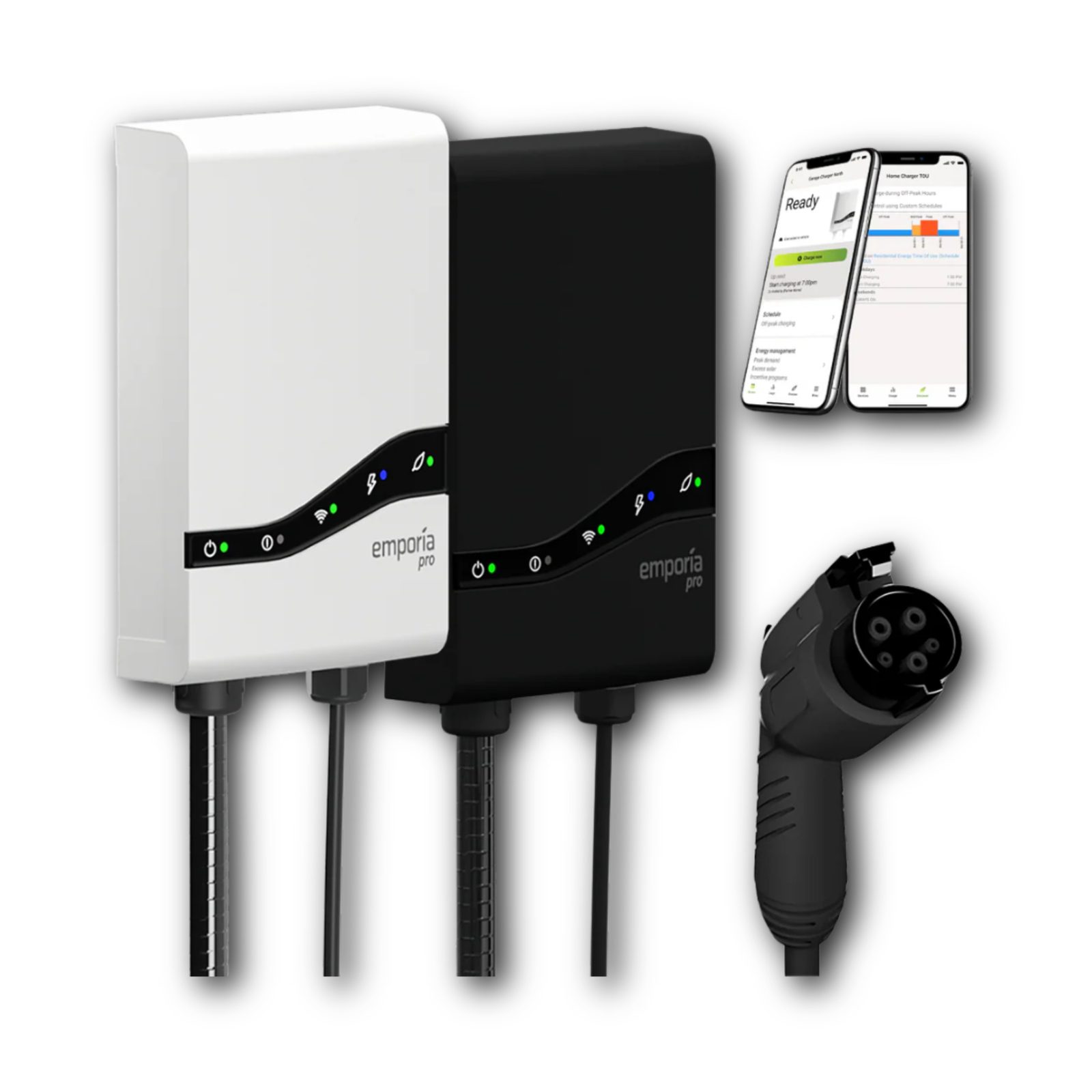
TL;DR
The Emporia EV Charger delivers premium smart features, including solar matching and load management, at a highly competitive price point. While the thick cable and polarizing holster design might annoy some, its robust build quality, excellent app, and flexible installation opti
Verdict: Buy
What people are saying
Sources disclosed below
Reddit Discussion
Across 50 threads in r/electricvehicles, r/evcharging, r/evcharging
Sentiment summary, not a rating
Pros
- +Excellent integration with Emporia's smart home ecosystem, including solar matching and load management
- +Highly detailed app with live data, cost tracking, and customizable analytics
- +Flexible installation options supporting both 48A hardwired and 40A NEMA 14-50 plug-in setups
- +Durable, weatherproof NEMA 4 enclosure rated for extreme temperatures (-22F to 122F)
- +Generous 24-foot charging cable provides plenty of reach
Cons
- −The charging cable is unusually thick, heavy, and stiff compared to competitors
- −The 24-foot cable can be cumbersome to manage and coil if the vehicle is parked very close to the charger
- −The included connector holster has poor ergonomics, making it difficult to grab the handle easily
- −The upward-facing holster design leaves the connector exposed to collecting dust and moisture
Alex Rivera
Published May 2, 2026
$399–$549
Price may vary. Updated regularly.
Emporia's affordable EV charger packs flagship smart home and solar integration that puts premium brands on notice. You’ve likely seen chargers costing double the price that offer half the intelligence, leaving you wondering if you’re paying for engineering or just a fancy logo. After spending time with the Emporia 48A, it’s clear that the industry standard for "smart" charging has shifted, and it’s no longer a luxury reserved for the high-end market.
What you're actually getting
When you unbox the Emporia, you aren't just getting a brick that pushes electrons into your car; you’re getting a command center for your home’s energy. The standout feature here is the ecosystem integration. If you’re running solar panels, this charger is a no-brainer. As The Electric Duo noted, "If you have a home solar system you can monitor your energy output and then balance your charging to match that." This isn't just marketing fluff—the app actually gives you the granular control to ensure you’re charging your vehicle with the sun rather than the grid.
The build quality feels industrial, bordering on over-engineered. It’s rated for temperatures down to -22°F, meaning it’ll likely outlast the car you’re plugging into it. However, that durability comes with a physical trade-off. As Alex Sibila pointed out, "This is one of the thicker cables I've seen on home chargers... but it does just give a more industrial feel." You’ll notice this immediately; it’s stiff, heavy, and not the kind of cable you’ll enjoy wrestling with if you’re in a hurry or if it’s freezing outside.
The software experience is where Emporia truly distances itself from the competition. Most EV charger apps are clunky, slow, or barely functional. Emporia’s app is the opposite—it’s a data nerd’s dream. You get live charging speeds, detailed cost tracking, and load management settings that are genuinely useful. It’s rare to find a sub-$500 unit that feels this polished on the digital side, making the occasional physical frustration feel like a fair trade-off.
Performance — what reviewers actually measured
| Metric | Value | Context |
|---|---|---|
| Max Power (Hardwired) | 48 amps / 11.5 kW | Full speed for most EVs |
| Max Power (Plug-in) | 40 amps / 9.6 kW | Standard NEMA 14-50 |
| Cable Length | 24 feet | Plenty of reach for most garages |
| Operating Temp | -22°F to 122°F | Built for extreme climates |
Where it actually wins
The primary win here is value-to-feature ratio. You are getting a 48-amp charger that handles both hardwired and plug-in installations with ease, which is a level of flexibility that many competitors gate behind different product tiers. The load management capability is a massive advantage for anyone with an older home or a limited electrical panel; you can throttle the charger to prevent tripping your main breaker without needing to pay an electrician for a service upgrade.
The app ecosystem is the second major victory. Because Emporia also makes home energy monitors, the charger plugs directly into that existing data stream. You aren't just seeing how much power the car is pulling; you’re seeing how that pull affects your entire house. For anyone trying to optimize their utility bill or maximize self-consumption of solar energy, this is the gold standard.
Where it falls short
The physical design is where the "budget" roots show. The connector holster is a genuine point of contention. As State of Charge bluntly put it, "I don't like this connector holster I don't like anything about it... the ergonomics of it is terrible in my opinion." It’s awkward to use, and because it faces upward, it’s essentially a dust and water trap. You’ll find yourself fumbling with it more often than you’d like.
Then there’s the cable. While 24 feet is a generous length, the sheer thickness and stiffness make it a chore to manage. If your parking spot is tight, you’re going to be fighting that cable every single time you charge. It doesn't coil neatly like the thinner, more flexible cables found on some premium units. If you have a small garage or a cramped workspace, this cable is going to feel like a heavy, unruly snake that you’re constantly tripping over.
Should you buy it?
Buy if you
- Have a home solar setup and want to prioritize green charging.
- Love data and want detailed analytics on your energy consumption and costs.
- Need a flexible installation (hardwired or NEMA 14-50) without buying a new unit.
- Want a robust, weather-rated charger that can handle extreme temperature swings.
Skip if you
- Have a very tight garage space where a thick, stiff 24-foot cable would be a constant nuisance.
- Prioritize a sleek, easy-to-holster connector over deep software features.
- Don't care about smart features and just want a "dumb" charger that is as lightweight as possible.
An incredibly feature-rich and durable smart charger that offers unbeatable ecosystem integration for the price.
Sources consulted
- State Of Charge — Emporia 48-amp EV Charger Review
- The Electric Duo (Patrick & Liv) — Emporia 48-amp EV Charger - Our favorite Level 2 charger!!!
- Alex Sibila — Affordable Smart Home Charging! | Emporia EV Charger Review & App Walkthrough
Synthesis combines independent reviews above. Verdicts and quotes attributed to original creators. Affiliate disclosure: we may earn a commission from qualifying purchases via Amazon links.
Products covered in this review
Frequently Asked Questions
Is the Emporia Level 2 EV Charger (48A) worth buying?
The Emporia EV Charger delivers premium smart features, including solar matching and load management, at a highly competitive price point. While the thick cable and polarizing holster design might annoy some, its robust build quality, excellent app, and flexible installation options make it a top-tier choice.
Who is the Emporia Level 2 EV Charger (48A) best for?
EV owners with solar panels, limited electrical panels, or data nerds who love tracking detailed energy usage and costs.
Who should skip it?
Users with very tight garage spaces who might find the thick, heavy 24-foot cable difficult to manage and coil.